If you are trying to find pickleball socials in Saigon, there is no single official path into the scene. That is part of the fun, and part of the challenge. The community is spread across a few different tools, and each one has its own role depending on how you like to play and how connected you already are.
Reclub for searching
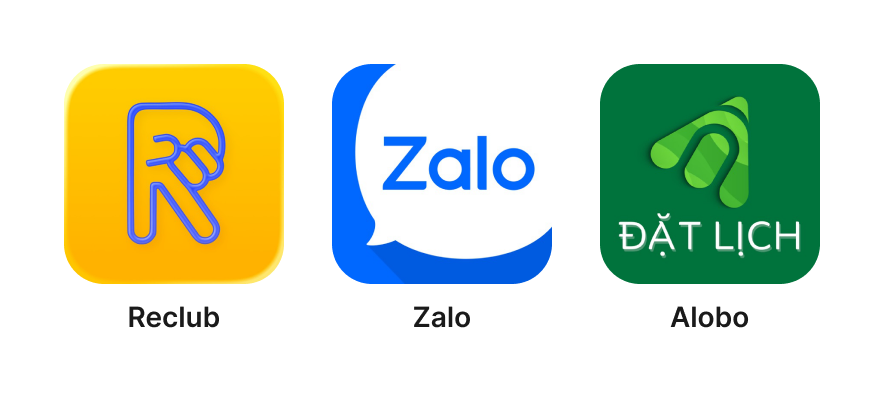
For many players, the most useful option is Reclub. It is the easiest place to search for socials or meetups directly, and you can filter by location, which matters a lot in a city as spread out as Saigon. Reclub works well for people who want to see what is happening nearby without needing to ask around first. It is also integrated with DUPR, so you can usually get a sense of the skill level of the players joining a session. That helps take some of the uncertainty out of showing up to a new group. You are not just guessing. You have a better idea of the level, the vibe, and whether the session is likely to suit you.
Zalo for group chats
Then there is Zalo, which is where a lot of the real social life happens once people start bonding with a group. Zalo is the big messaging app in Vietnam, so it is already part of daily life for most people. That makes it a natural place for pickleball groups to organize sessions, vote on availability, and keep things moving. Many clubs and social circles use Zalo group chats for the practical side of the game. A session gets posted, people confirm, and the court fills up.
The interesting thing about Zalo is that it does not always work as an open discovery tool. Often, you need to know which group to join, or you need to be added by someone already inside. That is why it becomes more useful once you have spent time with a group and people know you. At that point, Zalo turns into more than just a chat app. It becomes the place where the group actually lives. If you have been around long enough, this is usually where people add you in, and from there, the connection becomes more regular and more personal.
Alobo for court booking
The third option is Alobo. It started as a court-booking app, and that is still its main use in Saigon. If you want to reserve a court or check availability, Alobo can be helpful. It also gives you a way to see where active venues are, which can matter if you are trying to figure out where the local action is happening.
In some places, socials can now be booked on Alobo too. That said, this seems to be more common in Hanoi than in Saigon. In Saigon, Alobo still feels more like the booking layer than the social layer. It is useful, but it usually supports the social scene rather than leading it.
How the Saigon scene works
What makes Saigon interesting is that players do not all enter the community the same way. Some start by browsing Reclub. Some get pulled into a Zalo group by a friend. Some book a court through Alobo and then get invited into the wider circle later. There is no fixed sequence that everyone follows.
But there is a pattern. Once people become familiar with a particular group, they are often added into a Zalo chat, and that is usually where the social rhythm settles in. Reclub helps people discover sessions. Zalo helps people stay connected. Alobo helps people get on court. Together, they form the loose structure behind Saigon’s pickleball scene.
For newcomers, that means the best approach is simple: use whichever tool fits how you like to find people. If you want to search actively, Reclub is the most straightforward. If you are already inside a group or getting to know one, Zalo is where things usually become more personal. If you need court access, Alobo is there to help with the practical side.
That mix is part of what makes Saigon pickleball feel so alive. It is not a single platform or a single system. It is a network of people using different tools to keep the game moving, and once you are in, it usually does not take long before the next invite comes through.